Some people may notice that their acne worsens in January, just when they are hoping for a “fresh start” for the new year and for their skin. This can be frustrating and disheartening, particularly after making New Year’s resolutions to improve health and wellbeing. However, acne flares at this time of year are not uncommon.
January can bring together a number of factors that may trigger or exacerbate acne such as lifestyle changes over the Christmas period, increased stress, and sudden changes to skincare routines. Understanding why acne may flare at this time of year is a first step towards managing it more effectively.
What causes acne?
Acne is a very common skin condition. It affects up to 85% of teenagers and can continue into adulthood, with around half of people still experiencing acne in their twenties.
Acne develops when hair follicles become blocked with oil (sebum) and dead skin cells. Hormonal influences can cause sebaceous (oil) glands to become enlarged and produce more sebum, particularly in people with a genetic predisposition to acne. Inflammation and the presence of bacteria called C. acnes (technically called Cutibacterium acnes) on the skin also play a role. C. acnes normally lives harmlessly on the skin, but in acne-prone individuals excess oil and dead skin cells promote its growth within pores.
While the exact mechanisms are complex and not fully understood, several internal and external factors can trigger or worsen acne.
Why acne sometimes worsens in January?
Some examples can include:
- Stress
The Christmas period and the start of a new year can be busy and stressful. Psychological stress is thought to be a contributing factor in some instances likely due to stress hormones increasing inflammation in the skin. - Smoking:
Smoking has been linked to certain types of acne, particularly comedonal (blackhead and whitehead) acne-another good reason to consider quitting in the New Year. - Occlusive cosmetics:
Heavier or more occlusive makeup products, especially if not removed thoroughly at night, can block pores and contribute to breakouts. Choose cosmetics, toiletries and sunscreens that do not block pores, these products may be labelled “non-comedogenic” or “oil-free”. - Exercise:
January often marks a return to the gym or the start of new fitness routines. While exercise is hugely beneficial for overall health, sweat, friction from tight clothing or equipment, and delayed cleansing after workouts may contribute to acne. It is therefore important to look after the skin before and after a gym workout.
For tips on looking after your skin in the gym, please see
“Looking After Your Skin in the Gym”
What common mistakes do people often make?
Over-cleansing:
To “reset” their skin, many people wash their face too often or use strong cleansers. Over-cleansing strips the skin barrier, leading to irritation, dryness and paradoxically increased oil production, all of which can worsen acne.
Changing everything at once:
January is often a popular time to introduce new skincare products. However, changing multiple products at the same time or layering several active ingredients can irritate the skin. It also makes it difficult to identify which products are helping and which may be causing problems.
How to get your skin back on track.
Go back to basics and focus on a gentle skin care regime
• Wash affected areas twice daily with a mild cleanser
• Use a light, non-comedogenic (won’t block pores) moisturiser to support the skin barrier
• If using prescription acne creams, ensure this is applied to the entire affected area and not just to individual spots
Stay consistent
• Acne treatments can take up to two-to-three months to work. Frequently switching products or routines can delay progress and worsen irritation.
Don’t pick!!
• Picking or squeezing pimples may worsen acne and cause skin swelling and scarring. It can also cause lesions to become infected.
Know when to seek medical advice
• If you develop breakouts that persist, and/or if acne is weighing heavily on you, speak with your GP for support and appropriate treatment options.
Effective management is about understanding triggers, supporting the skin barrier, using treatments correctly, and giving your skin time to respond. With patience and consistency, skin can settle and improve over time. But please keep in mind that if your acne cannot be managed by over-the-counter acne treatments, speak with your GP.
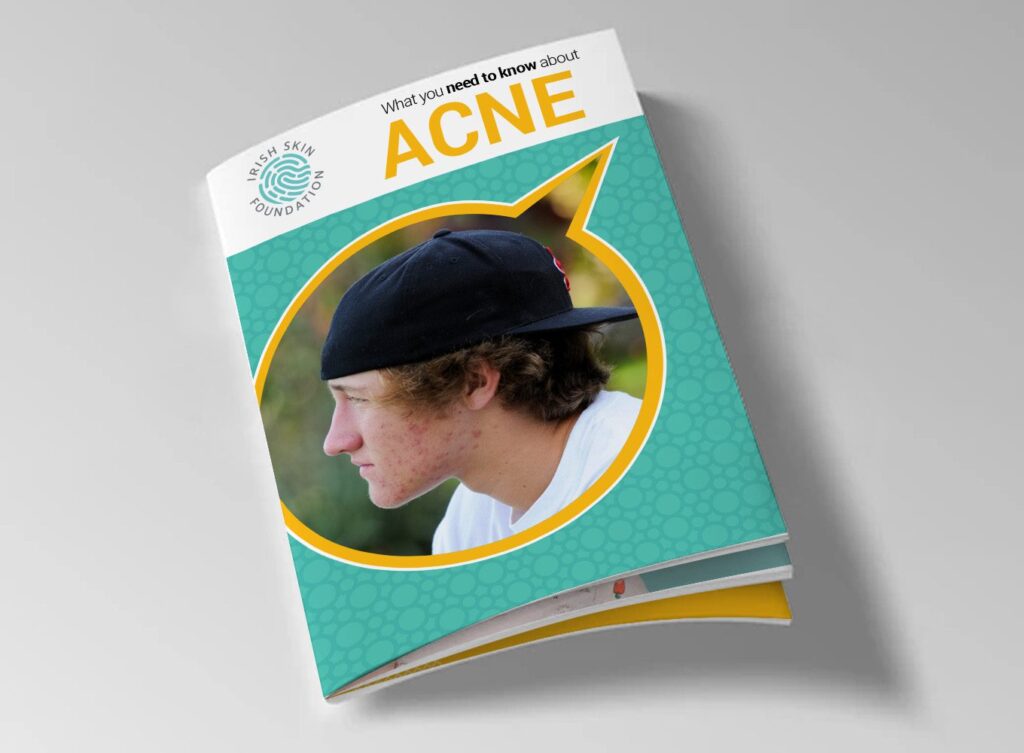
For more on acne and how to manage this common skin condition visit our acne information page or download our information booklet, ‘What you need to know about acne’ to learn more
If you need guidance or support about managing acne or a skin condition, contact the Irish Skin Foundation’s As-a-Nurse Helpline